
Wheel repair has become one of the fastest-growing service segments in the automotive world. As vehicles become heavier (especially EVs), wheel designs grow more intricate, and customers look for cost-effective and sustainable repair options, demand continues to rise for both cosmetic and structural wheel restoration. If you’re considering entering the industry, or expanding what you …
More-
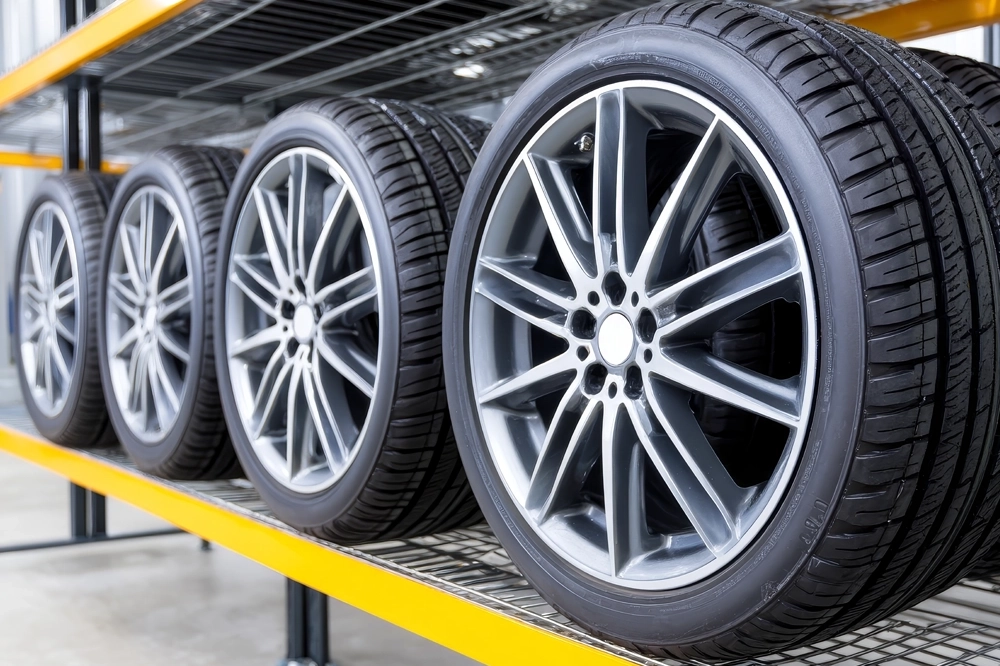
A Single Machine or a Full Lineup? How to Structure Your Wheel Repair Business
-
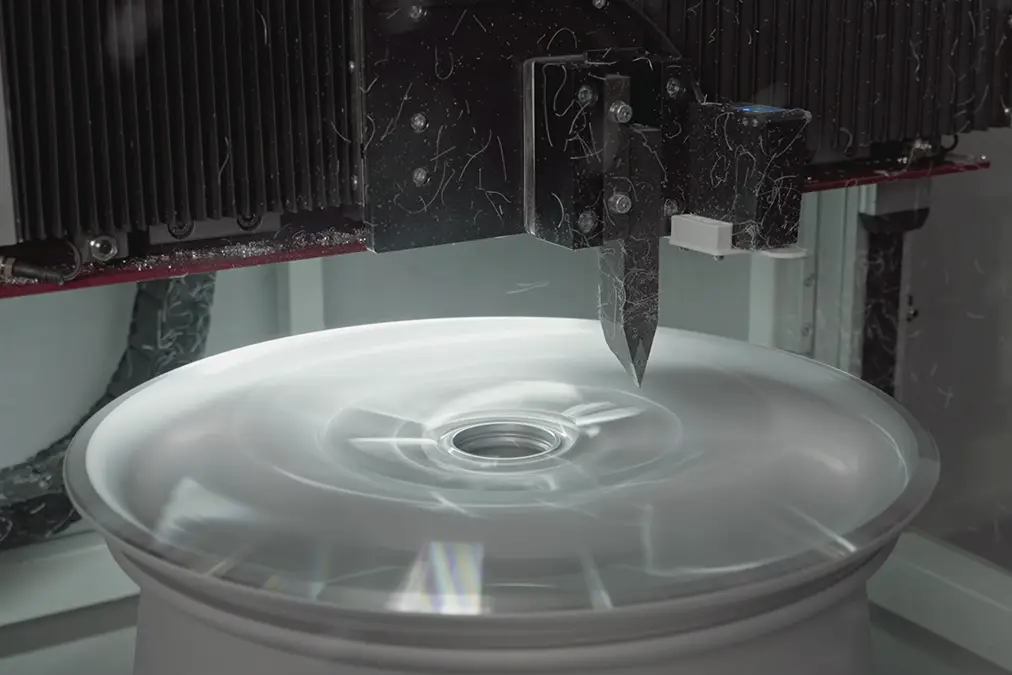
The Evolution of Alloy Wheel Repair Solutions
Alloy wheel repair has evolved dramatically over the years, driven by higher quality expectations, new wheel designs, and advances in technology. In the early stages of the industry, repairs were largely manual and highly dependent on operator skill. As demand increased, many workshops began using converted CNC machines from other industries to repair alloy wheels. …
More -
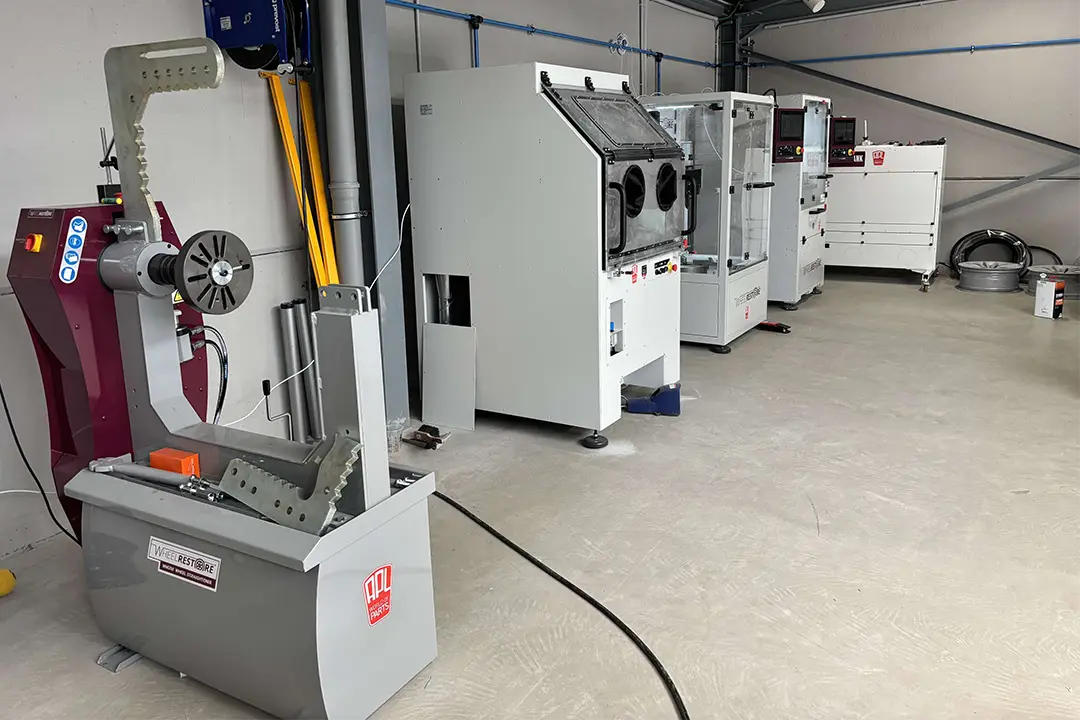
Why more Dealerships are Bringing Wheel Repair In-House in 2026
The automotive sales industry is changing fast. In 2026, dealerships are rethinking every aspect of their business models to boost profitability, strengthen customer trust, and align with sustainability goals. One area seeing a major shift is wheel repair. More and more dealerships are choosing to bring alloy wheel repair in-house – replacing costly outsourcing with …
More -
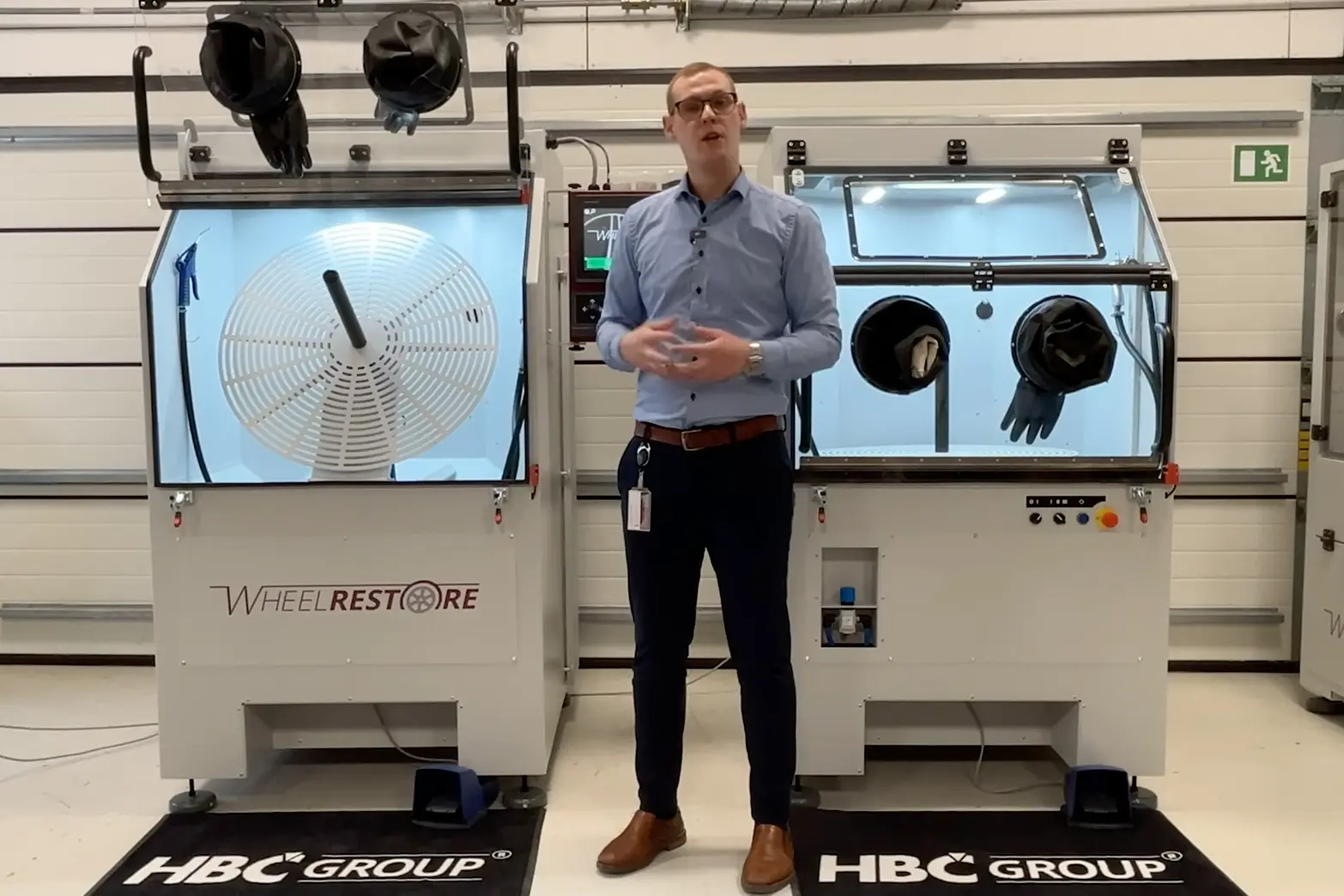
What is a Blasting Cabinet? A Cleaner, Greener Alternative to Traditional Sandblasting
In alloy wheel repair, the final result depends heavily on surface prep. Whether you’re painting, diamond cutting, or doing a full restoration, achieving a clean, even surface is critical. For pro shops, it’s not just about aesthetics—it’s about speed, sustainability, and profitability. That’s where a blasting cabinet makes a real difference. It’s not just a …
More -
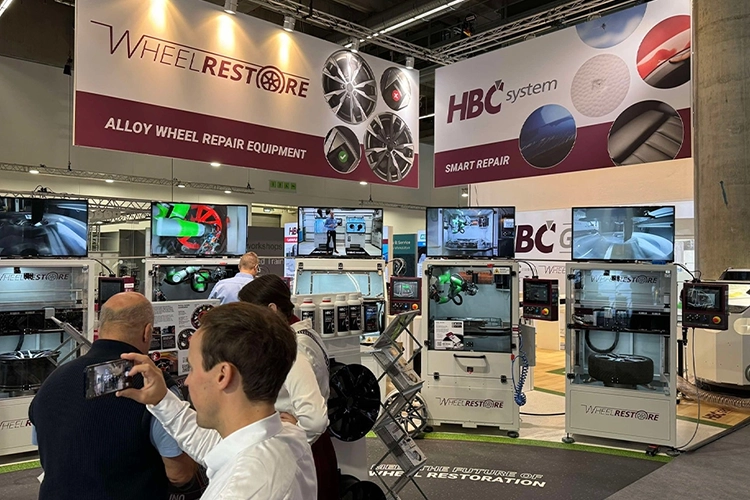
Promoting a Greener Future in Automotive at Industry Exhibitions
Automechanika Frankfurt 2024 showcased sustainable automotive solutions at Automechanika, with companies like Wheel Restore leading the charge toward a greener future in the automotive industry. This year’s event focused on cutting-edge innovations designed to reduce environmental impact, enhance efficiency, and improve productivity across the sector. At Wheel Restore and HBC System, we were proud to …
More -
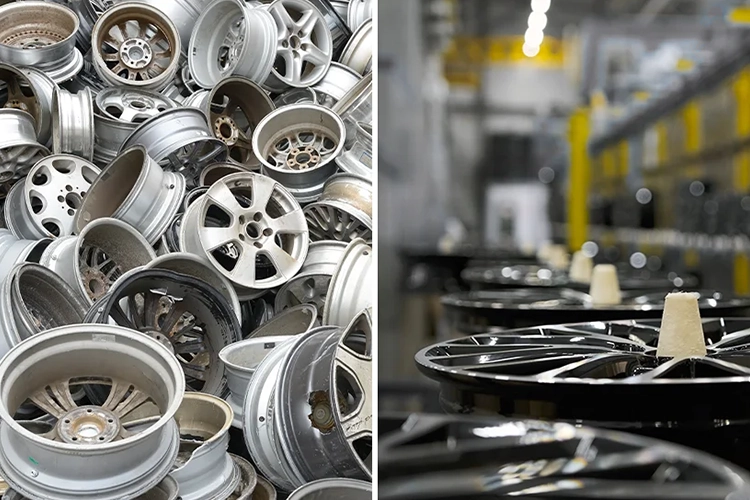
Every Alloy Wheel Repair Makes a CO2 Difference
Currently, aluminum accounts for 3% of the world’s direct industrial CO2 emissions! According to forecasts, aluminum consumption in the transportation sector in Europe is expected to increase by 55% by 2050 compared to 2017 figures. This growth will naturally result in a significant increase in CO2 emissions. It is estimated that there are around 1.47 …
More
 English (United States)
  Danish
  English (UK)
  Italian
  German
  French (France)
  Dutch
Dutch  Swedish
  Spanish
  Dutch (Belgium)
  Bulgarian
  Japanese
  English (New Zealand)
  English (Canada)
  French (Canada)
  Arabic
  Thai
Thai  Portuguese
  Korean
  Czech
Czech  Polish
  Turkish
  Finnish