
A bent alloy wheel is one of the most common forms of wheel damage. Potholes, road debris, kerb impacts, and poor road surfaces can all cause a wheel to develop a flat spot or buckle that leads to vibration, poor handling, air loss, or uneven tyre wear. The question many vehicle owners ask is simple: …
More-
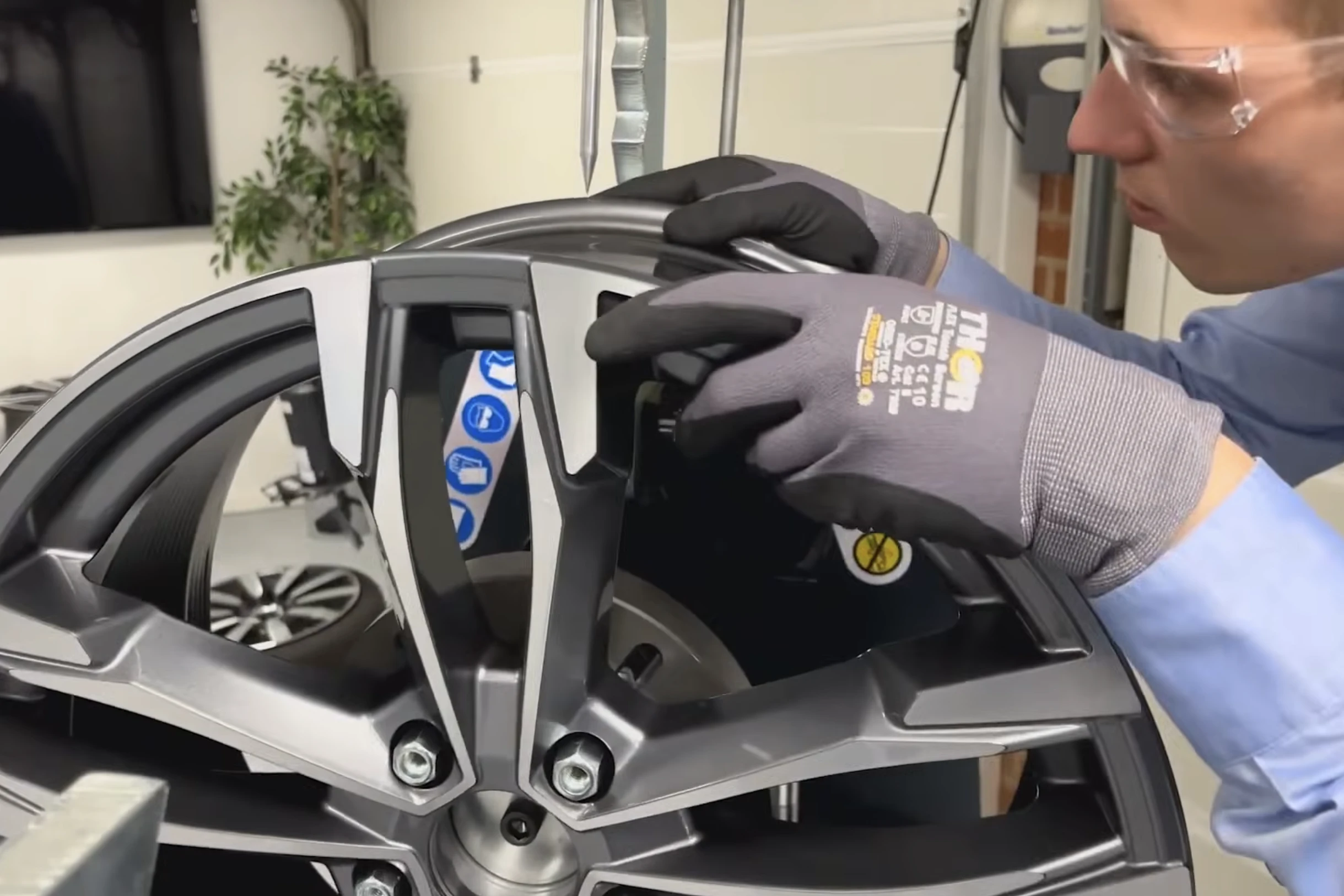
Is Alloy Wheel Straightening Safe? A Professional Guide to Knowing Which Jobs To Take
-
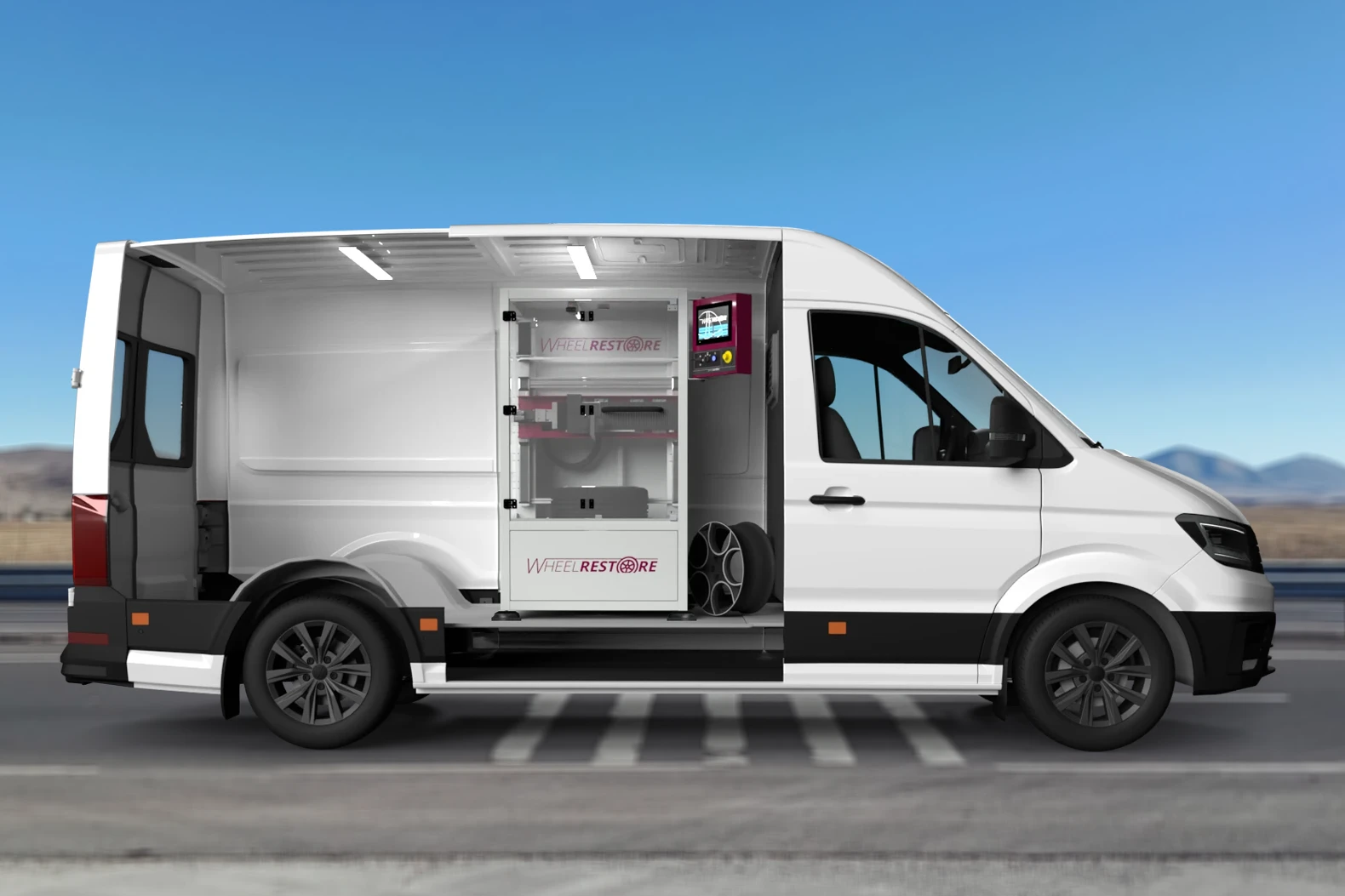
Mobile Alloy Wheel Repair Business: Can You Build a Profitable Business Without a Workshop?
Yes. A mobile alloy wheel repair business can be a profitable way to enter the wheel repair industry without investing in a traditional workshop. By operating from a van or mobile unit, you can offer wheel repairs directly at a customer’s home, workplace, dealership, or fleet location while keeping overhead costs lower than many fixed-location …
More -
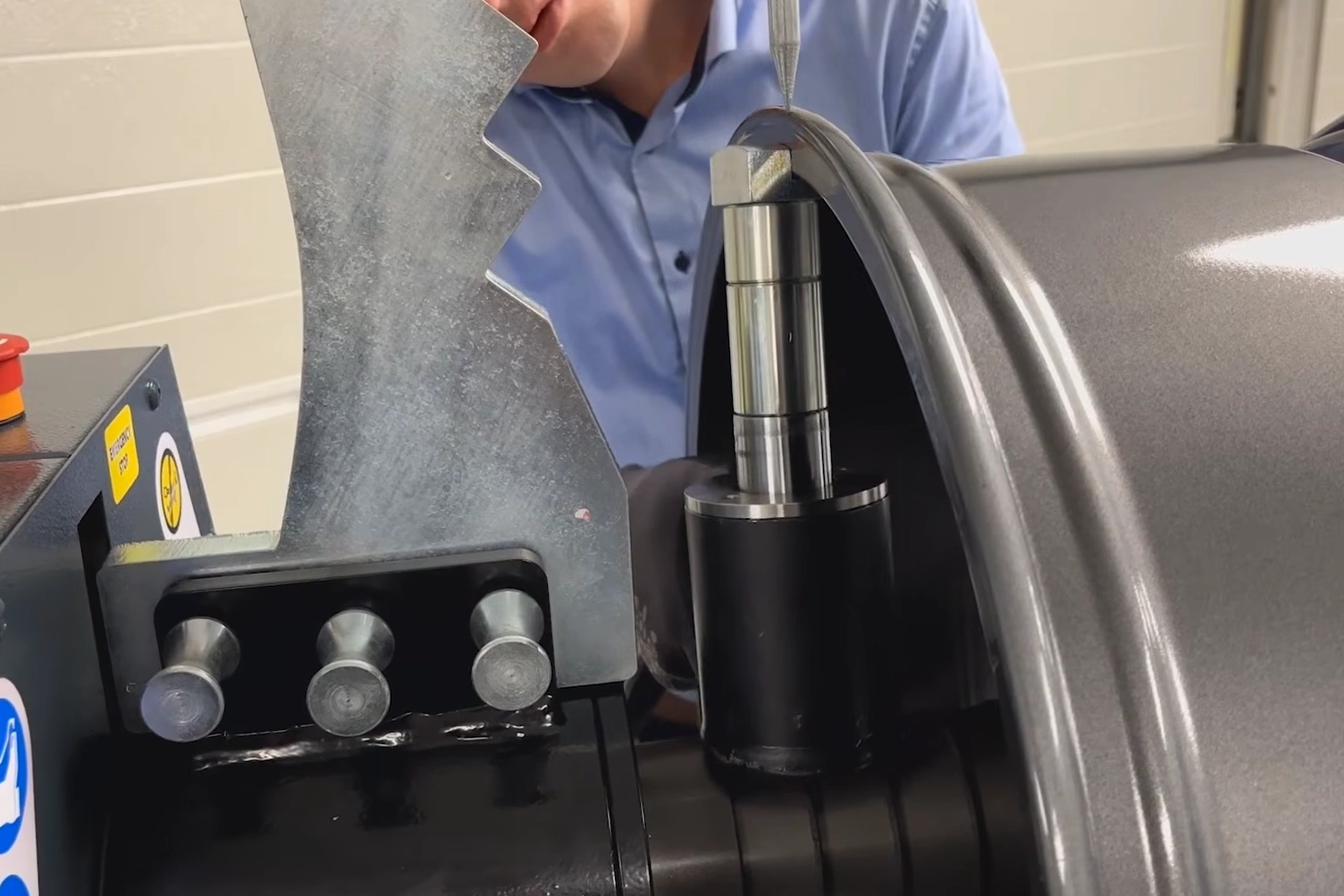
Wheel Straightening Machine Buyer’s Guide: How to Choose the Right System for Your Workshop
Investing in a wheel straightening machine can be one of the fastest ways for a workshop to expand its alloy wheel repair capabilities. The right system allows you to bring repairs in-house, reduce outsourcing costs, improve turnaround times, and create an additional revenue stream from services many customers already need. If you’re researching wheel straightening …
More -
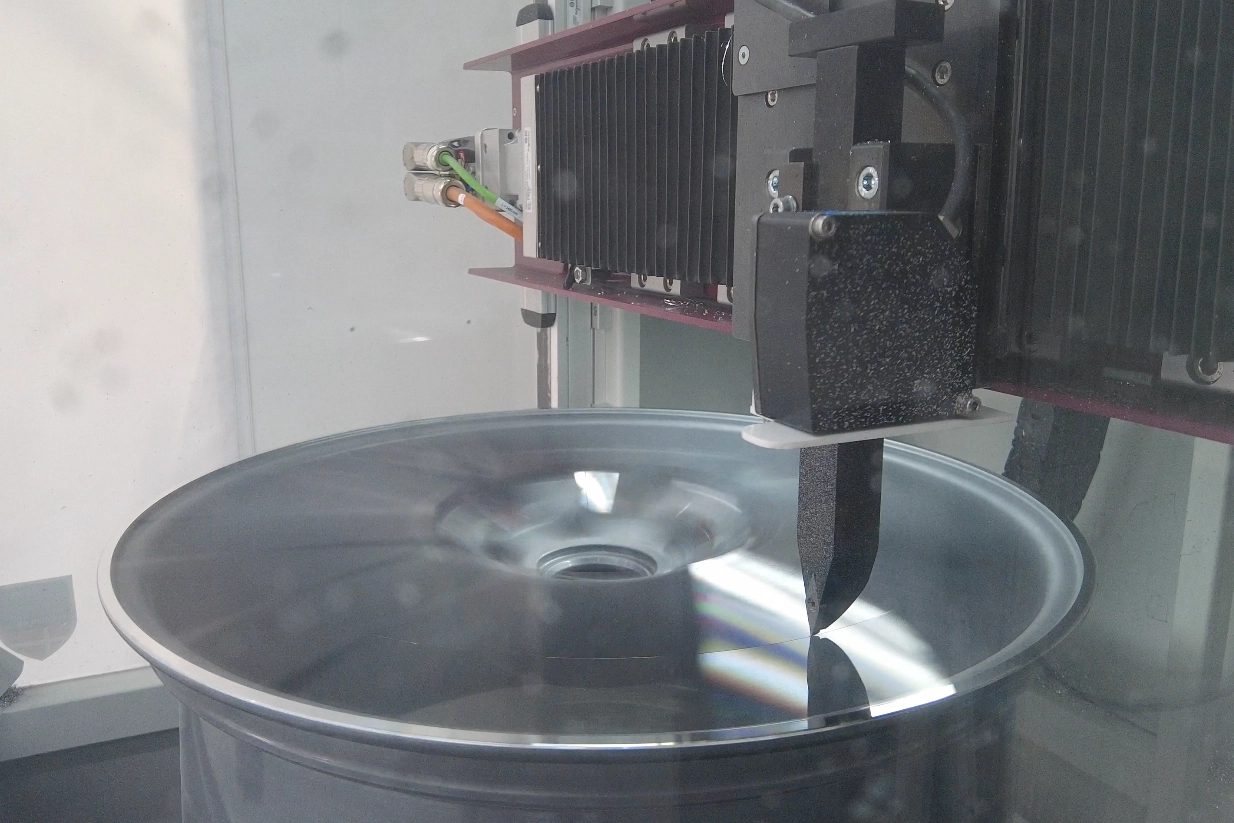
Diamond Cut Machine Buyer’s Guide: What to Look For, What to Expect to Pay, and How to Choose the Right System
Investing in a diamond cut machine is one of the most important decisions an alloy wheel repair business can make. The right system can help you bring repairs in-house, reduce outsourcing costs, improve turnaround times, and create a profitable new revenue stream. The wrong system can lead to lengthy training, inconsistent results, and unnecessary downtime. …
More -
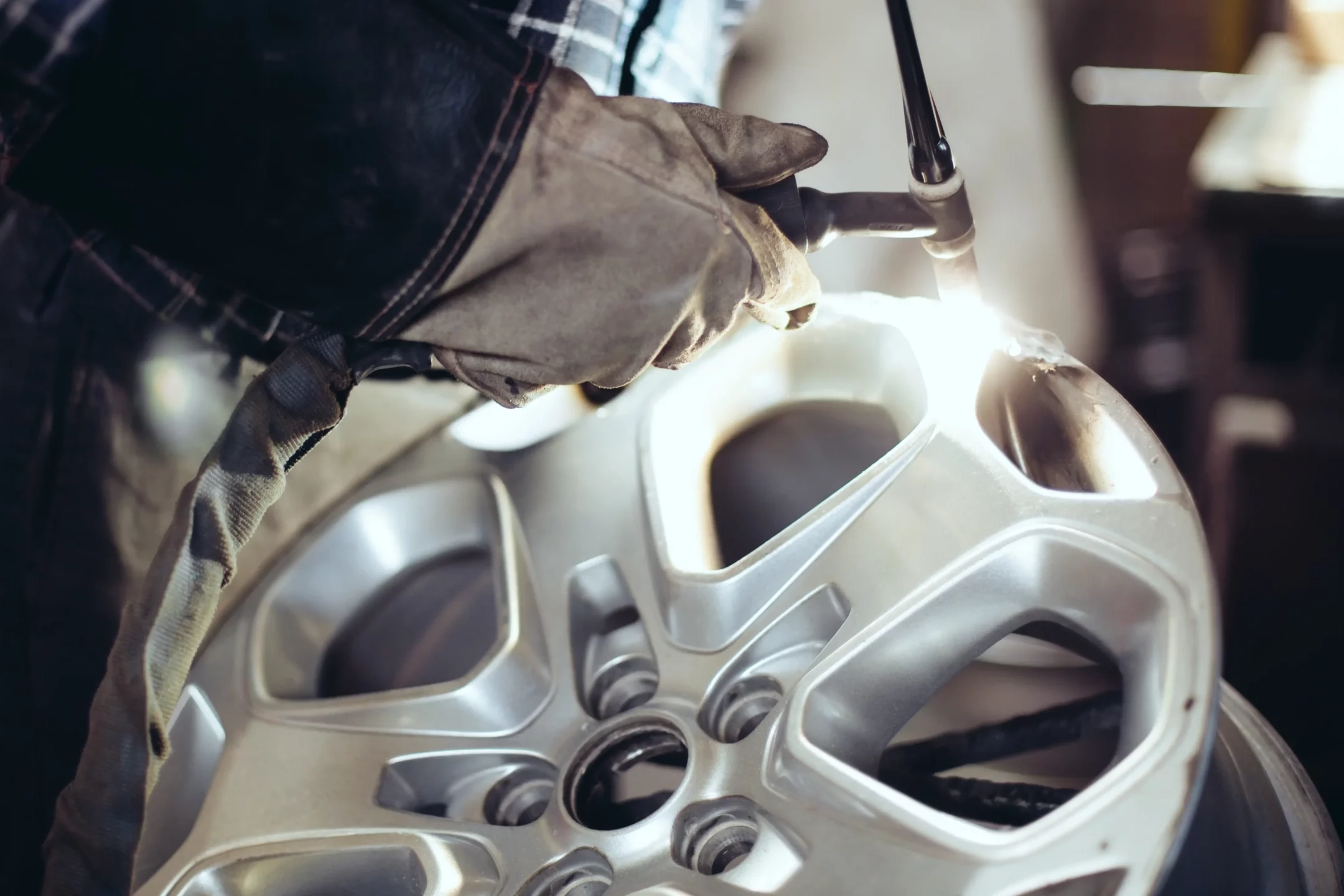
Are Welded Wheels Safe? What You Need to Know Before Repairing a Cracked Rim
Welded alloy wheels can be perfectly safe — but only when the right type of damage is repaired using the right method by a qualified technician. Welding the wrong crack, in the wrong location, with the wrong equipment, produces a wheel that looks repaired but carries serious structural risk. This guide tells you exactly how …
More -
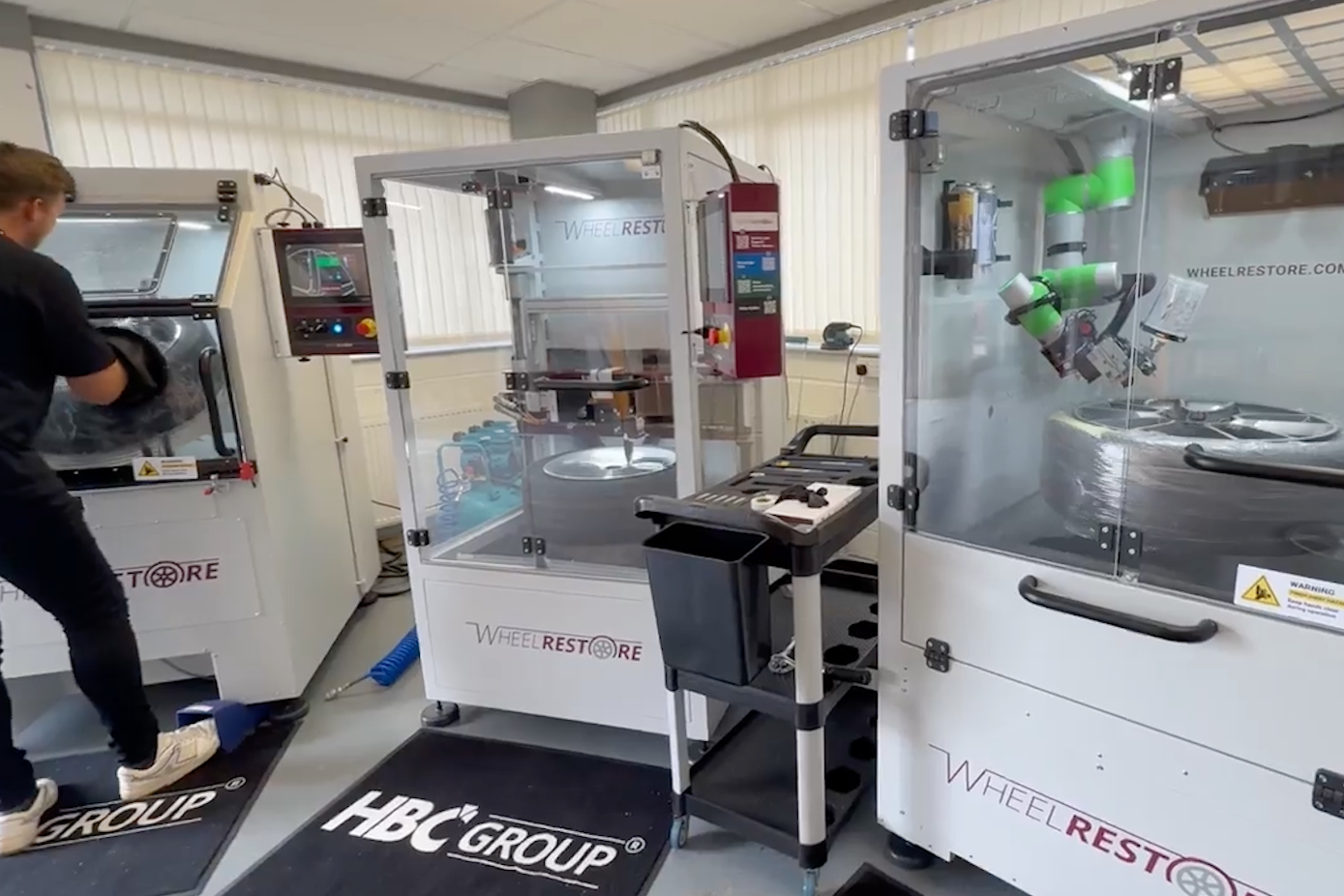
The Real Problem in Wheel Repair Isn’t Capacity – It’s Revenue
Most workshops believe they have a capacity problem. They think they don’t have the time, the staff, or the space, so wheel repair quickly becomes a low priority in their daily operations. In reality, workshops can repair wheels, but they can’t handle enough repairs in a day to make it efficient and truly profitable. As …
More -
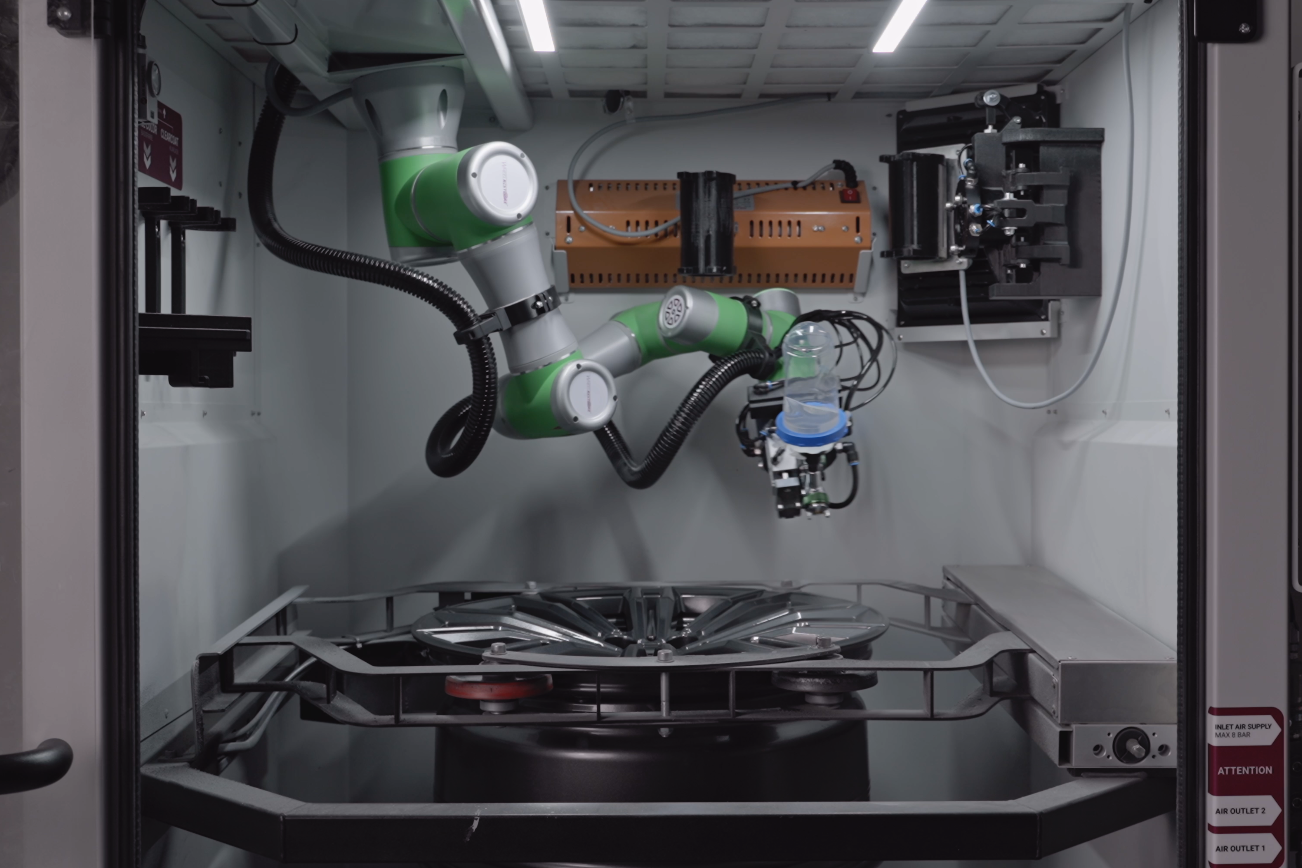
Why a Fully Automated Wheel Painter Isn’t Replacing Your Painters But Making Them More Profitable
We already have skilled painters. Why would we need a machine to do the job? It’s a completely fair question when we bring up the discussion regarding the relevance of a Wheel Painting Machine. Because many workshops do have great painters. In fact, it’s exactly the right question to ask. The question is not whether …
More -
A Single Machine or The Wheel Factory?
Wheel repair has become one of the fastest-growing service segments in the automotive world. As vehicles become heavier (especially EVs), wheel designs grow more intricate, and customers look for cost-effective and sustainable repair options, demand continues to rise for both cosmetic and structural wheel restoration. If you’re considering entering the industry, or expanding what you …
More -
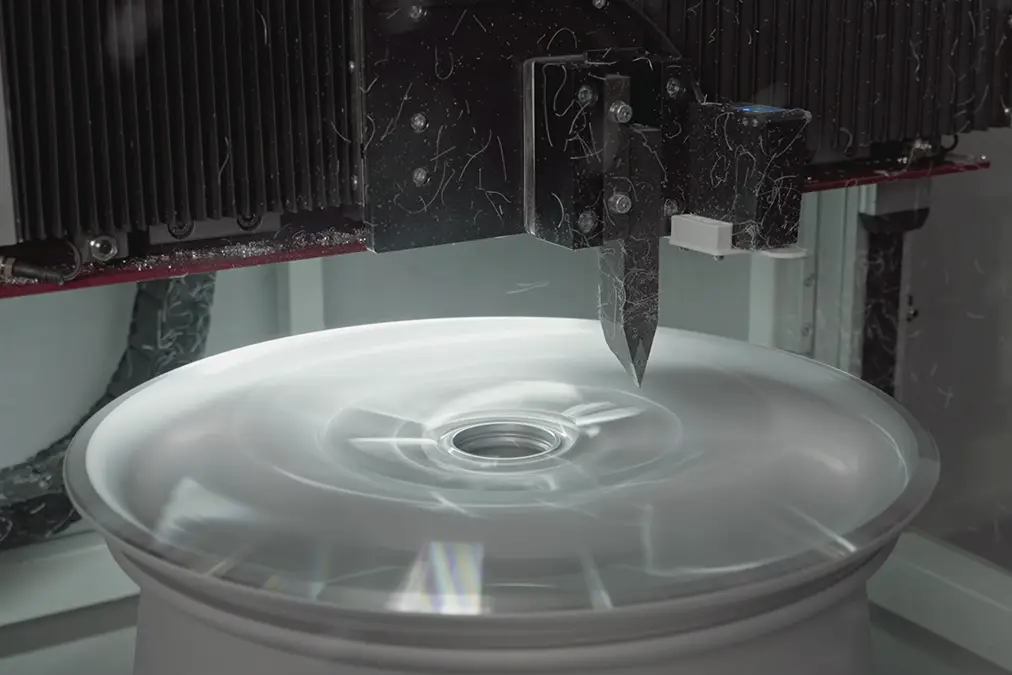
The Evolution of Alloy Wheel Repair Solutions
Alloy wheel repair has evolved dramatically over the years, driven by higher quality expectations, new wheel designs, and advances in technology. In the early stages of the industry, repairs were largely manual and highly dependent on operator skill. As demand increased, many workshops began using converted CNC machines from other industries to repair alloy wheels. …
More
 English (United States)
  Danish
  English (UK)
  Italian
  German
  French (France)
  Dutch
Dutch  Swedish
  Spanish
  Dutch (Belgium)
  Bulgarian
  Japanese
  English (New Zealand)
  English (Canada)
  French (Canada)
  Arabic
  Thai
Thai  Portuguese
  Korean
  Czech
Czech  Polish
  Turkish
  Finnish